
Fast Fashion Furniture
Have we Swapped Timeless for Trendy?
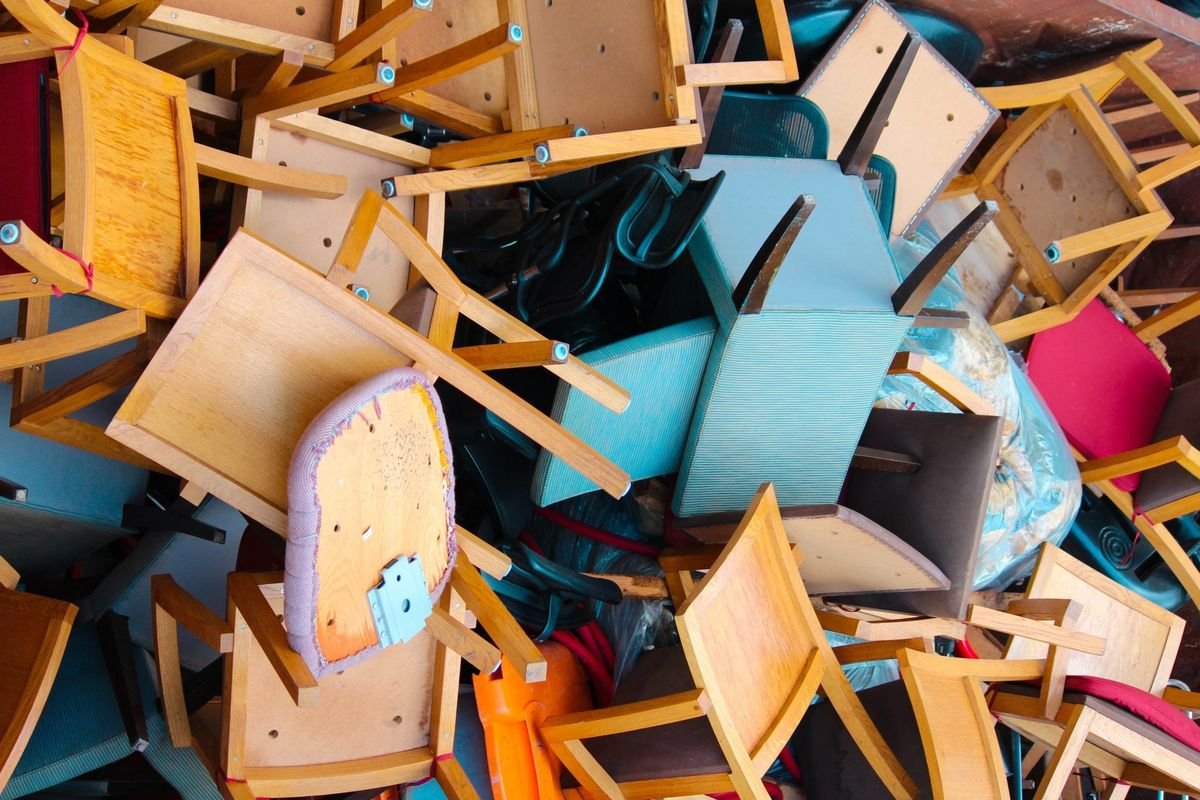
I always find there is an undeniable magic in watching a room transform. For decades, achieving a beautifully curated space was a slow, deliberate process of collecting, inheriting, and investing. Today, however, the interiors world has taken a leaf out of the fashion industry’s book, ushering in the era of 'fast fashion' furniture.
With a few clicks, we can furnish an entire room by the weekend. But as the gap between inspiration and checkout shrinks, we have to ask: what are we trading for this convenience? Let's explore why the shift toward disposable design is costing us more than we think, and how we can curate spaces that are beautifully, stubbornly built to last.
The Algorithm of Aesthetics
Where design movements like Art Deco or Mid-Century Modern once unfolded over decades, today’s aesthetic compass is guided by social media algorithms. We are served a relentless visual feast of flawlessly styled spaces and rapid-fire micro-trends.
To feed this appetite for constant reinvention, the mass market had to figure out how to manufacture furniture faster and cheaper. The result is an industry flooded with pieces designed for immediate gratification rather than enduring style.
The High Street Trap: Trendy, but Timeless?
There is an undeniable allure to the homeware drops from high-street giants and trend-led online retailers. They are masters of the moment, offering highly styled, affordable pieces that look fabulous on a screen and offer a quick aesthetic fix.
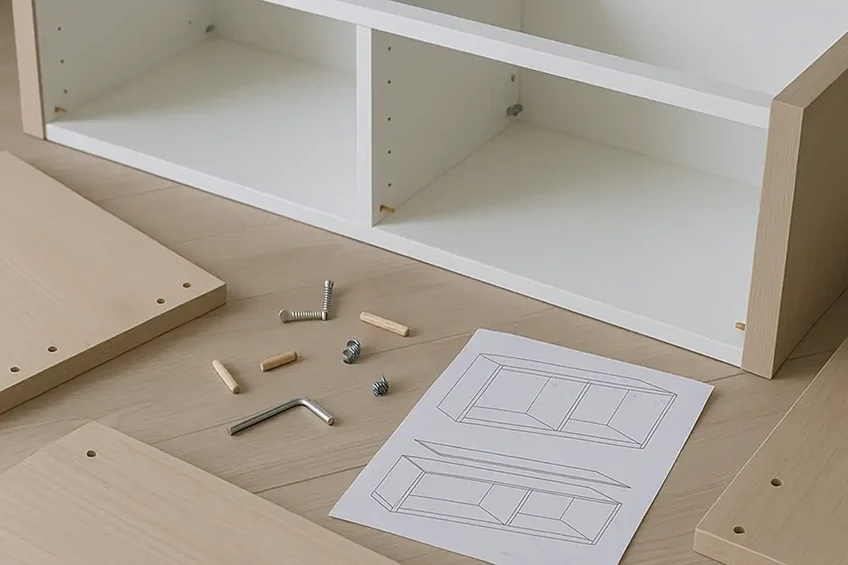
But here is the designer’s secret: a room built entirely from these collections rarely ages gracefully. Because these pieces are specifically designed to capture a fleeting micro-trend, they inevitably feel dated the moment the trend moves on. Furthermore, to keep prices accessible, solid timbers and traditional joinery are frequently swapped for engineered woods and flat-pack hardware.
While these pieces serve a temporary purpose, relying on them to furnish a home is a false economy. They lack the soul, the story, and the structural integrity to become beloved fixtures.
The Loss of Authenticity: A Global Case of Déjà Vu
Perhaps the most hidden cost of the fast furniture movement is the erasure of culture. As algorithms push the same micro-trends globally, and mass producers ship the exact same flat-pack designs across the world, we are witnessing a washing out of interior design.
Step into a boutique hotel in London, a trendy restaurant in Brooklyn, or an apartment in Paris, and you might experience a strange sense of déjà vu. Spaces are beginning to look entirely identical. We are losing our sense of place, tradition, and regional aesthetic identity in favour of a globalised, 'samey' look. In the process, incredible local craftspeople are being squeezed out, taking centuries of regional techniques and diverse styles with them.
The Antidote: Our Studio's Approach to Storytelling
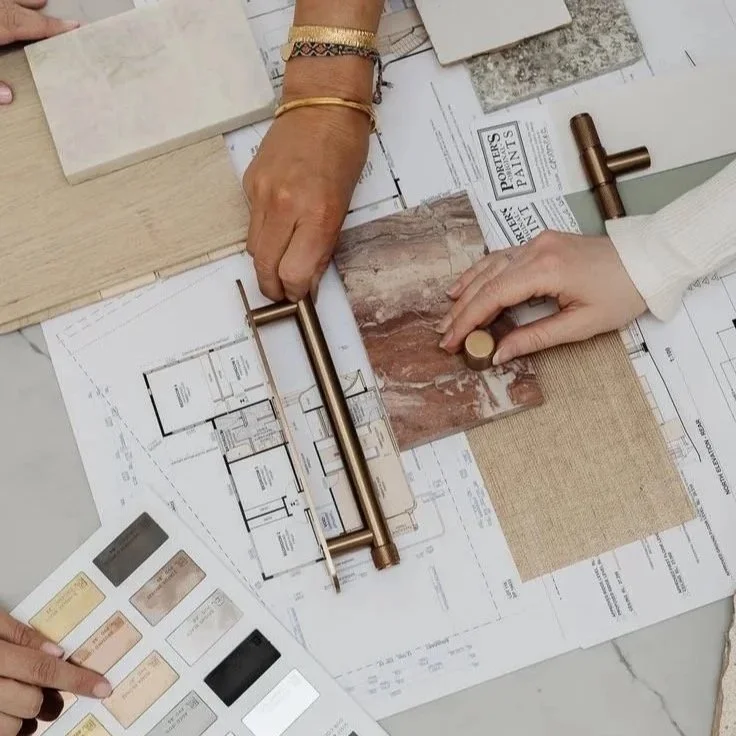
Creating a space that feels both effortlessly stylish and deeply personal doesn't happen in a single online checkout. It requires a discerning eye, thoughtful sourcing, and an understanding of how materials age. At Design X Nada, we navigate this complex landscape for our clients by championing an approach rooted in authenticity and longevity:
Designing for place and purpose: We actively push back against the homogenisation of design. Instead of copy-pasting a trend, we lean into a sense of place, tradition, and culture. We believe an interior is a storytelling tool; it must speak to who our client is, while respectfully acknowledging the history and location of the property itself.
The romance of antiques: Just like vintage fashion, antique furniture was built to survive. We adore sourcing pieces with genuine provenance. Integrating a beautifully restored Georgian chest or a mid-century sideboard gives a room an anchor of authenticity that a brand-new, mass-produced piece simply cannot replicate.
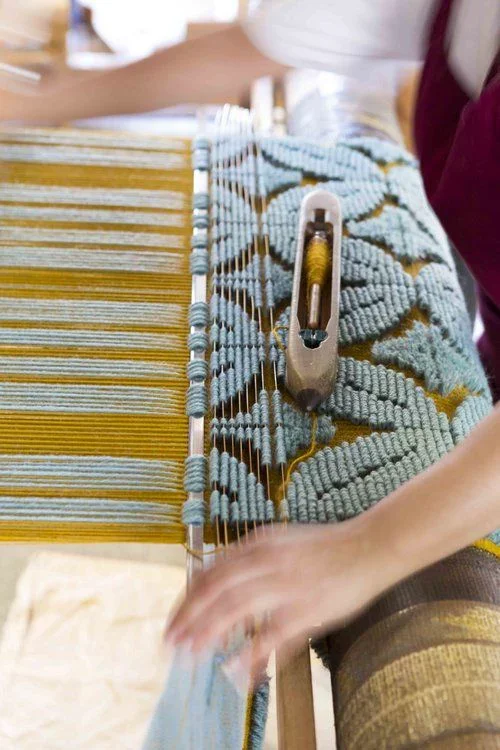
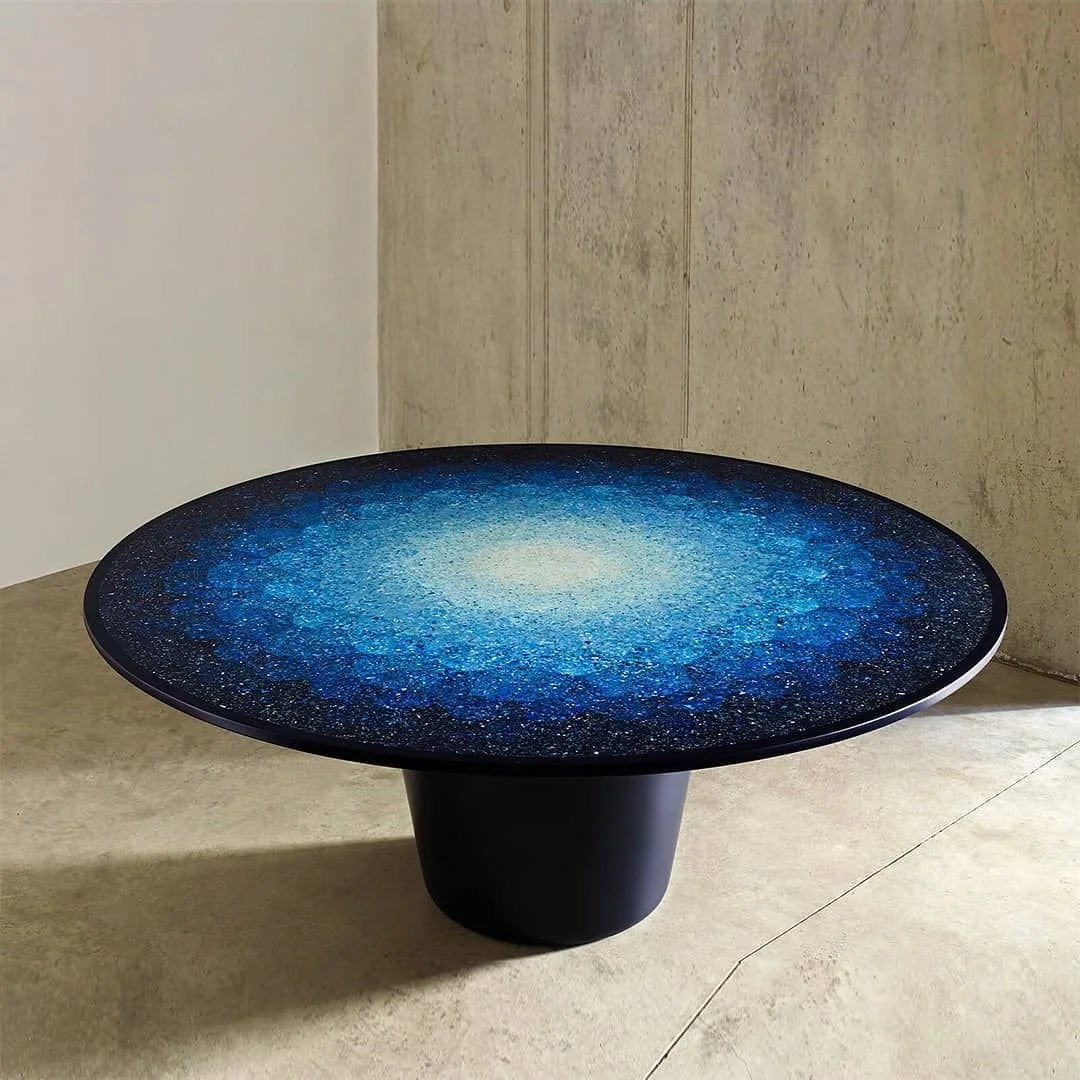
Championing the artisans: We actively seek out local makers and craftspeople. This not only guarantees a far superior build quality, but it brings a wonderful sense of human touch to your space, supporting the local economy and preserving regional artistry.
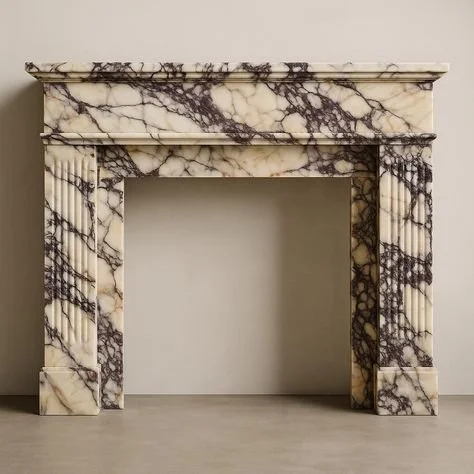
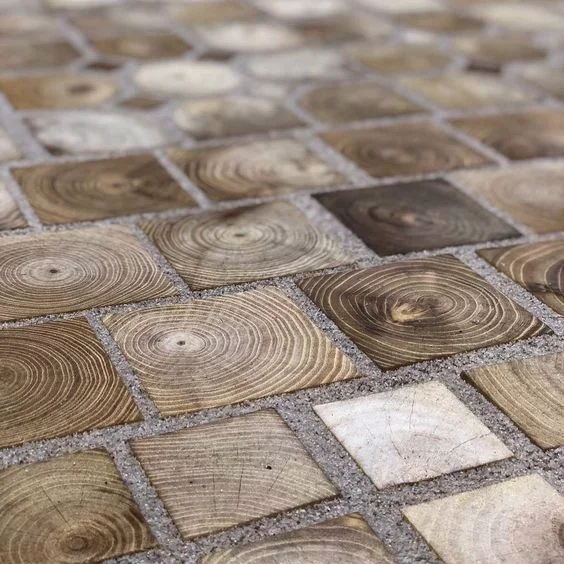
Reclaiming history: There is magic in reclaimed materials. Whether we are sourcing original Victorian floorboards, an antique fireplace, or salvaged stone, we love using materials that sympathetically match a property and ground the design in history.
Curating your story: Before we look outward, we look inward. We take an inventory of the beautiful, sentimental pieces you already own. We design around the things you love, layering them into a cohesive scheme that celebrates your unique journey, ensuring your home could never belong to anyone else.
Strategic investment: Designing a home is about knowing where to spend and where to save. We guide our clients to invest their budgets into 'anchor' pieces -the bespoke sofa you sit on every day, the expertly crafted dining table - so that the foundation of the room is built to last.

The Bottom Line
Your space is your sanctuary, not a runway for passing trends. It should be a beautifully layered collection of your life, crafted from materials that will weather the years alongside you.
Navigating the world of interiors to find that perfect balance of style, authenticity, and longevity is an art form. By stepping away from the flat-pack mentality and investing in thoughtful, expert curation, we can create spaces that are not only breathtaking today but will be loved for generations to come.
Discover more of our work in our portfolio, or contact us to discuss an upcoming project.
All images are the property of their respective owners and are used for informational/editorial purposes.