
Spaces That Sell
Why Experiential Retail Design is the Ultimate Business Strategy
In recent years, the commercial landscape has shifted in a very visible way. High-end brands are investing significantly more per square metre in their physical spaces, moving far beyond standard shopfitting. The era of the purely transactional storefront is over; in its place, the show-stopping experiential retail space has risen.
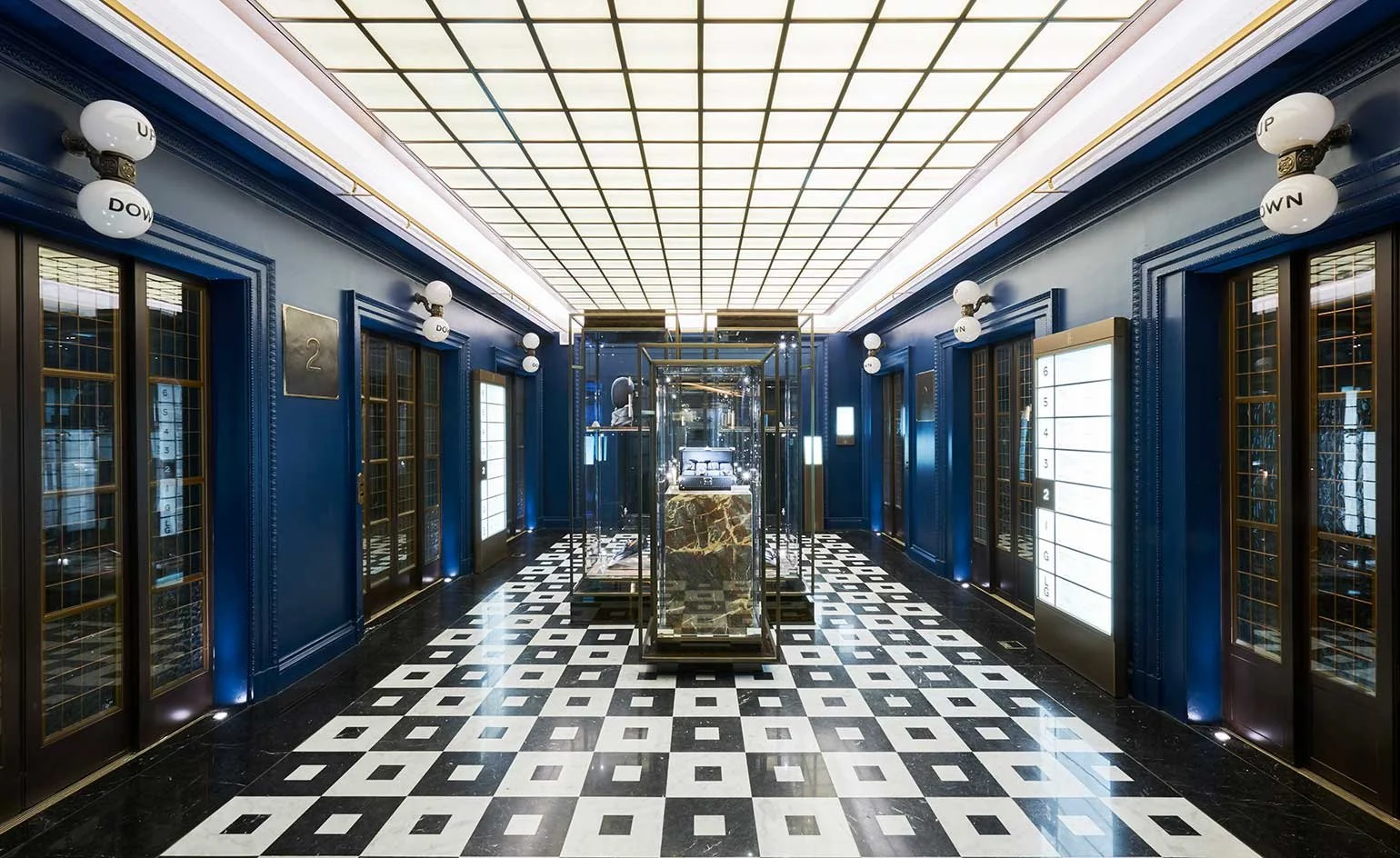
Harrods Menswear Department, Design X Nada
For the astute brand, experiential retail design is not a cost - it’s a calculated strategy. Done well, it becomes one of the most effective tools in a brand’s arsenal. Here is why prioritising the spatial experience makes perfect business sense.
The Space as the Storyteller
Spaces must now express the very soul of a brand. When a physical environment tells the story of the product, it becomes a key marketing tool that stays in the client’s mind long after they have left.
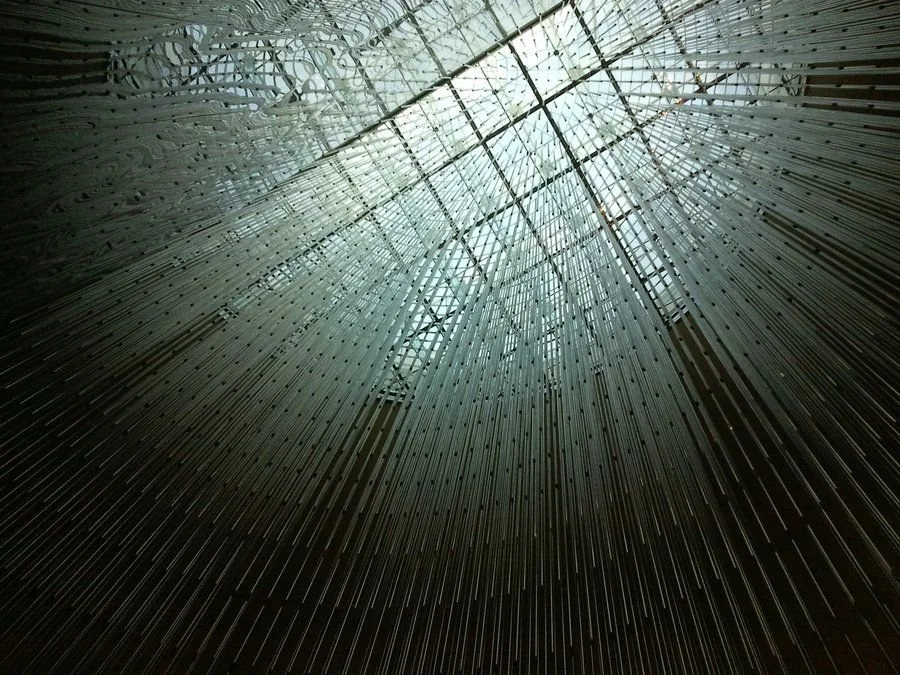
Take the Louis Vuitton flagship on the Champs-Élysées. The design does not just display luxury luggage; the space translates the concept of Le Voyage into architecture. The 20-metre atrium, formed from 1,900 stainless steel tubes, filters light into a shifting moiré effect. It is a cathedral of contemporary luxury that guides the customer through a spatial journey beyond a typical shopping trip.
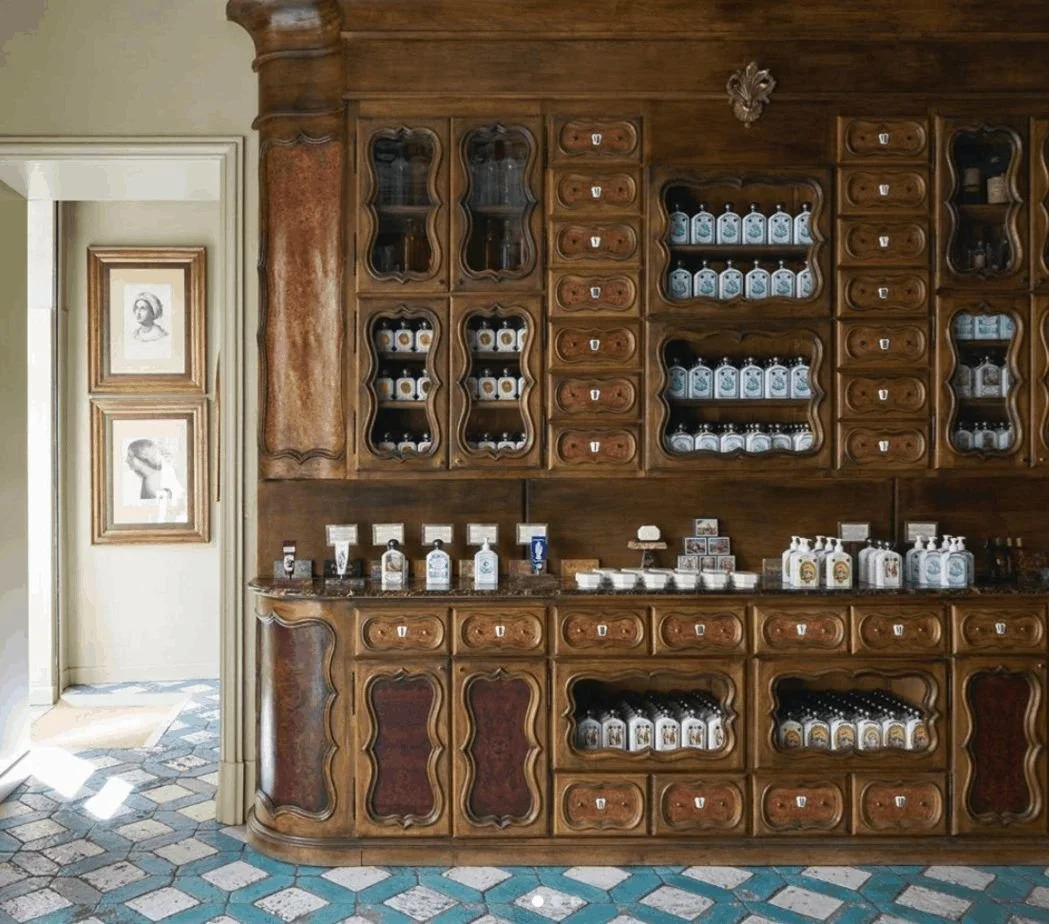
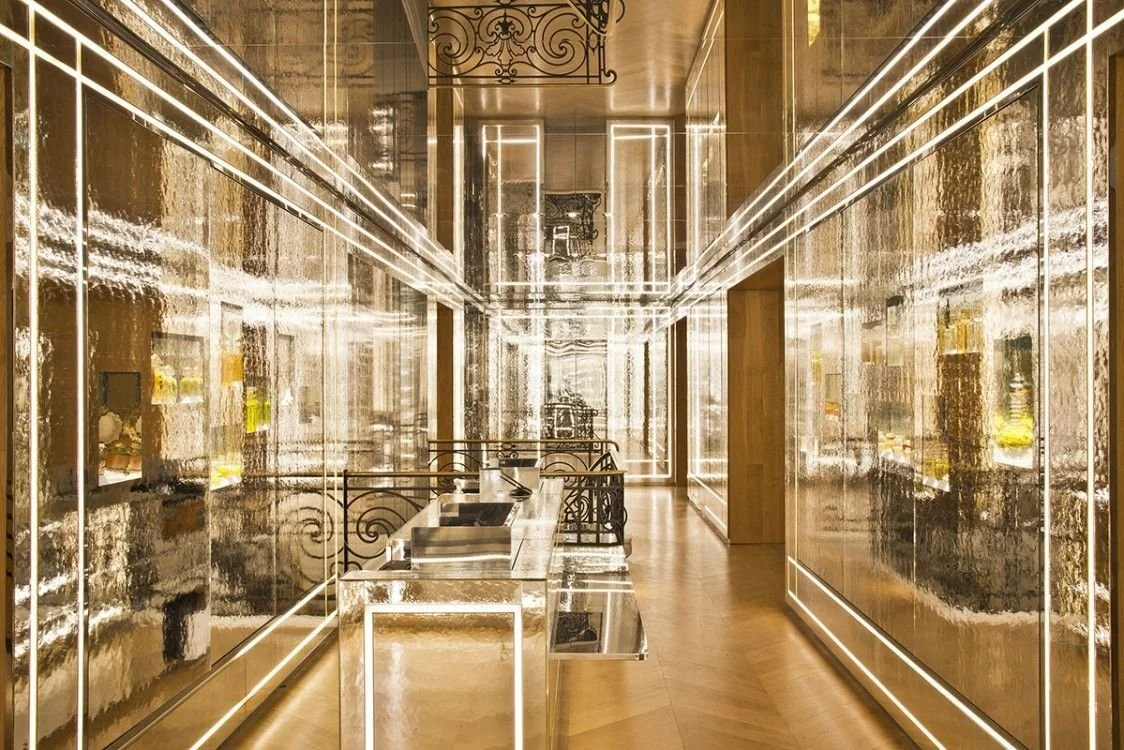
Similarly, Officine Universelle Buly 1803 in Paris leans heavily into historical immersion. Its apothecary-style interiors, complete with walnut cabinetry and 19th-century detailing, frame everyday products as objects of discovery.
The Rise of the Photogenic Flagship
By commissioning increasingly striking and photogenic spaces, brands are effectively pre-paying for limitless, organic marketing. The more provocative the space, the more it is photographed, shared, and elevated to icon status on social media.
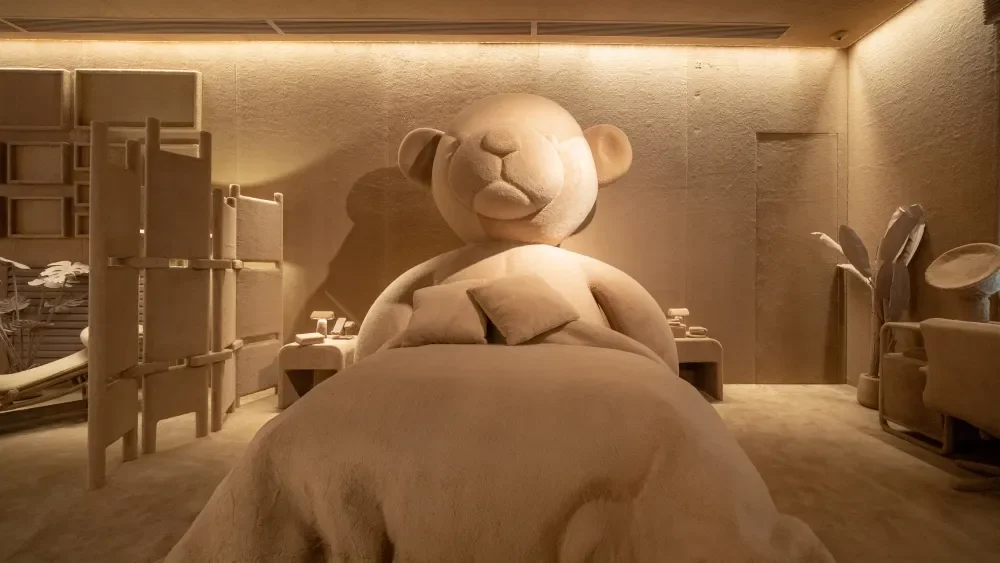
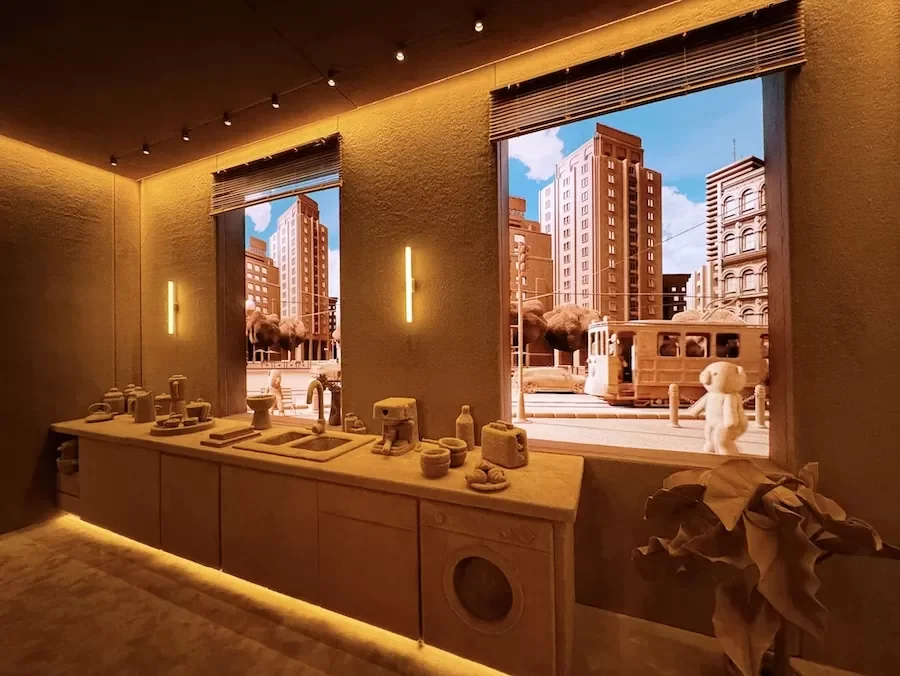
The MaxMara Teddy Concept Store pop-up at Milan Design Week is a prime example: a wildly immersive, fluffy environment celebrating their iconic coat that became an instant viral sensation.
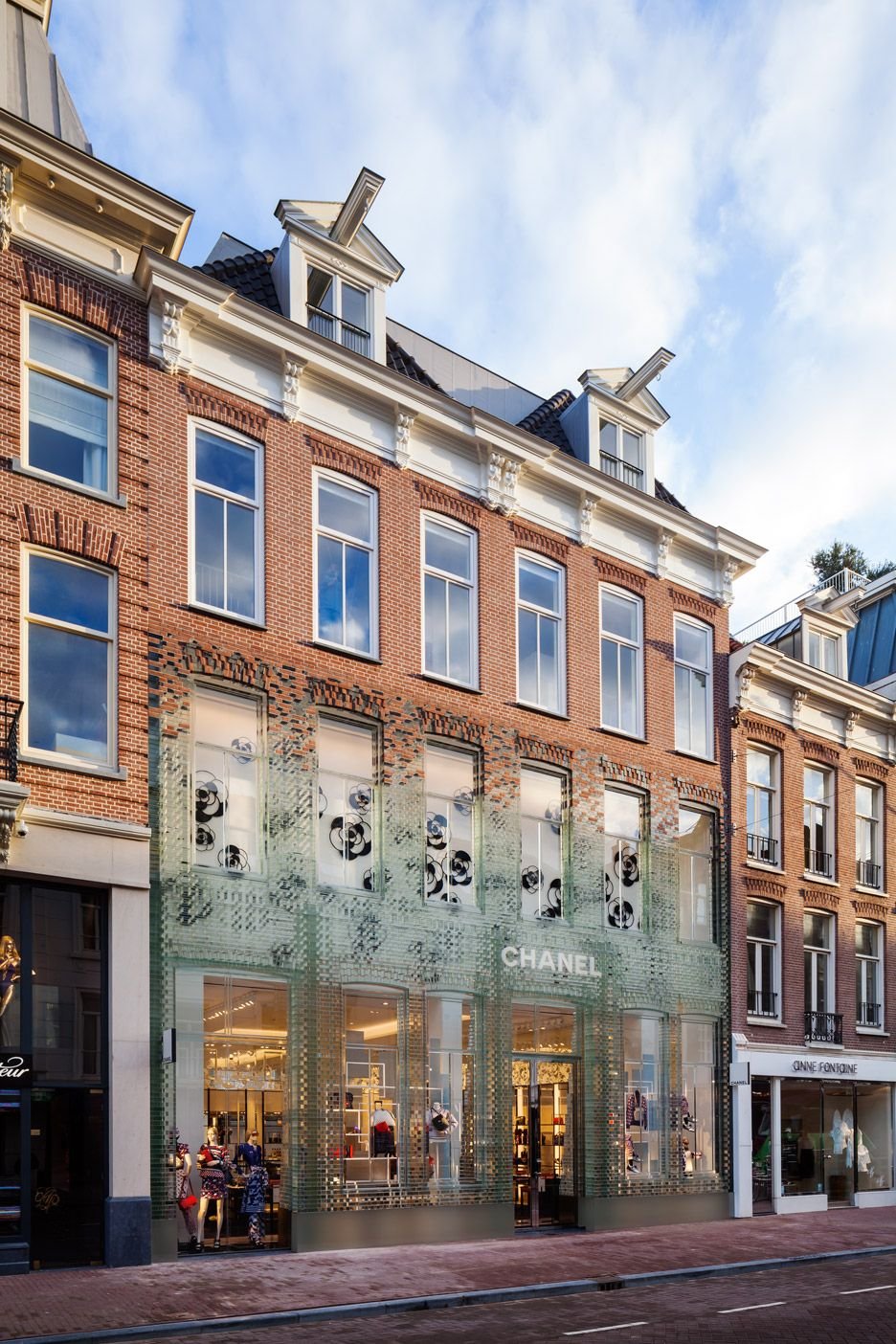
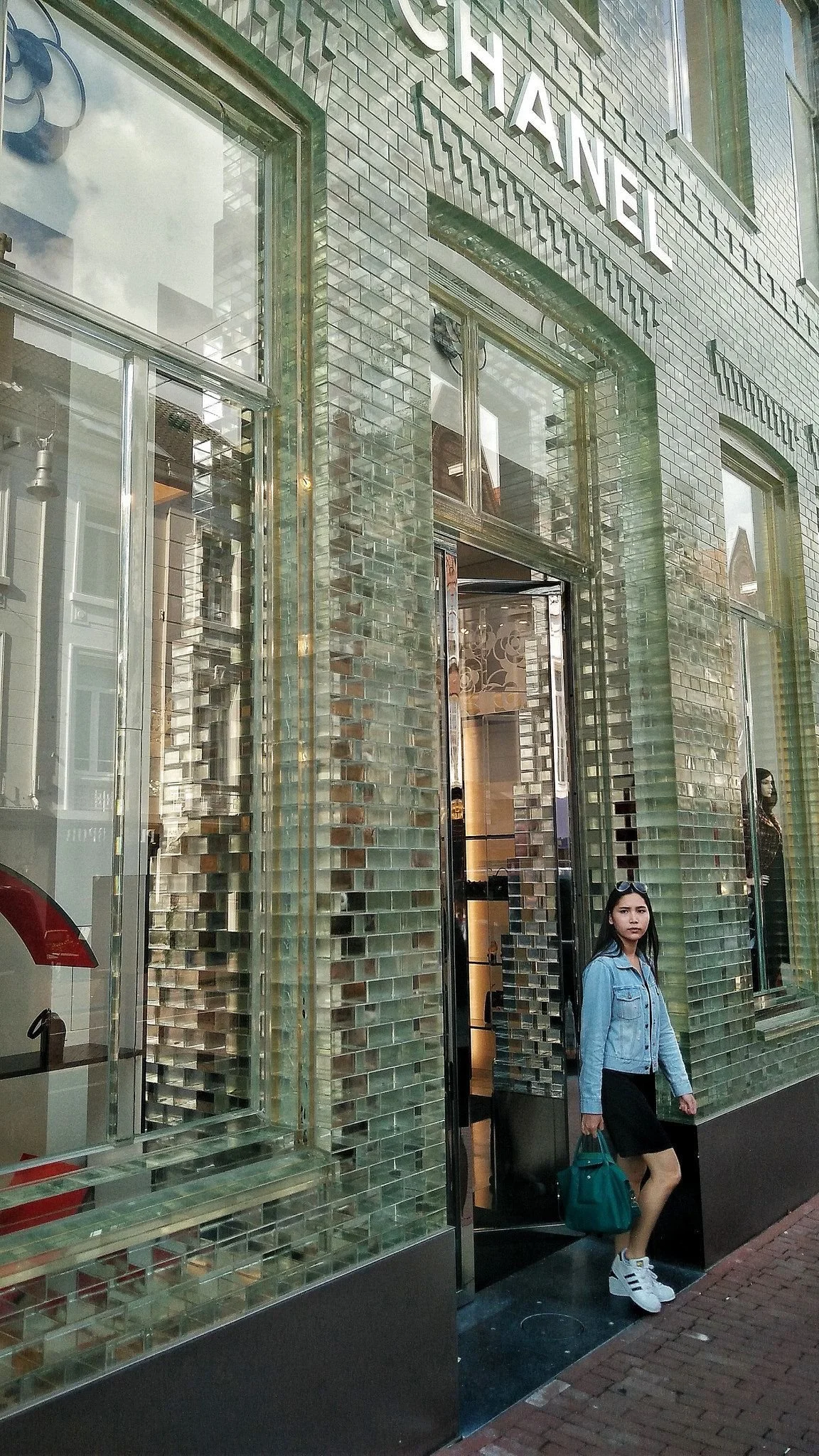
Or look to the Chanel Store in Amsterdam, where MVRDV’s "Crystal Houses" replaced a traditional 19th-century brick facade with 7,000 handcrafted, solid glass bricks. It honors the local streetscape while introducing a radical, poetic transparency. It is an architectural marvel that practically demands to be photographed, generating global press and free social currency.
Elevating the Perceived Value
Design doesn’t just shape experience - it shapes perception. And perception directly influences what customers are willing to pay.
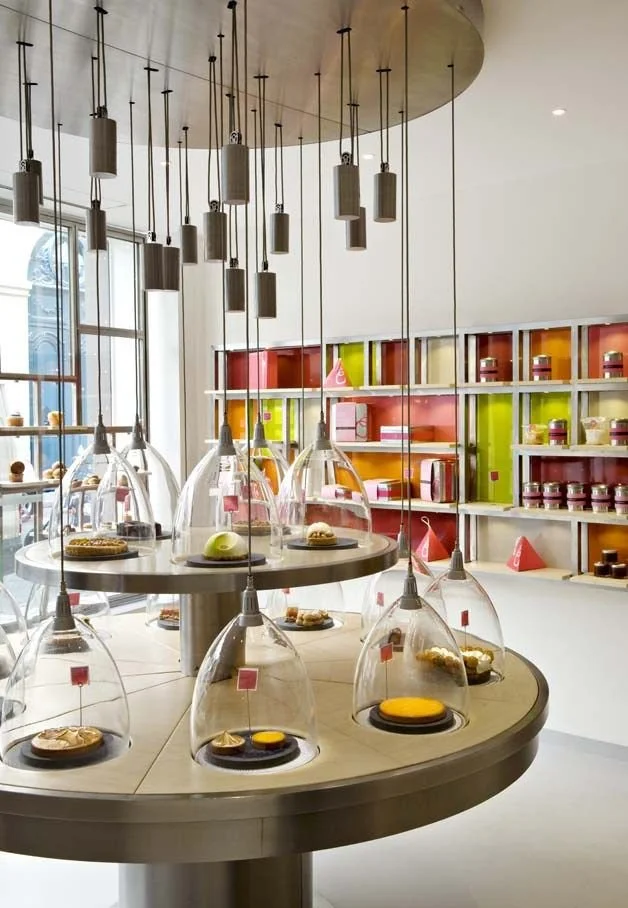
La Pâtisserie des Rêves in Paris completely revolutionised the bakery as a kind of exhibition experience. Pastries were displayed individually under suspended glass cloches, transforming familiar desserts into something closer to curated artefacts than consumables. A simple tart presented as if it were a priceless jewel in a futuristic laboratory. The perceived value skyrocketed.
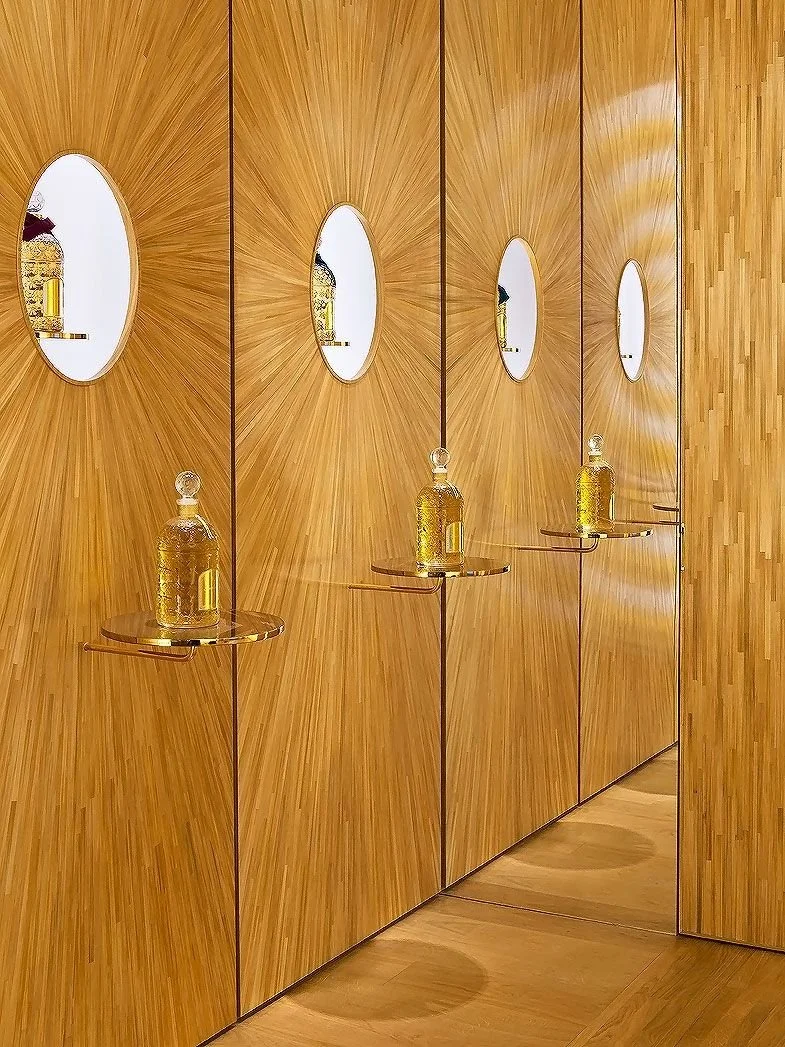
We see this same principle applied at the Guerlain store by Peter Marino. Marino transformed the historic Parisian address into a sweeping, 1,600-square-meter palace of marble and gold, celebrating the brand's iconic bee motif. The opulent surroundings inherently justify the premium price of the cosmetics.
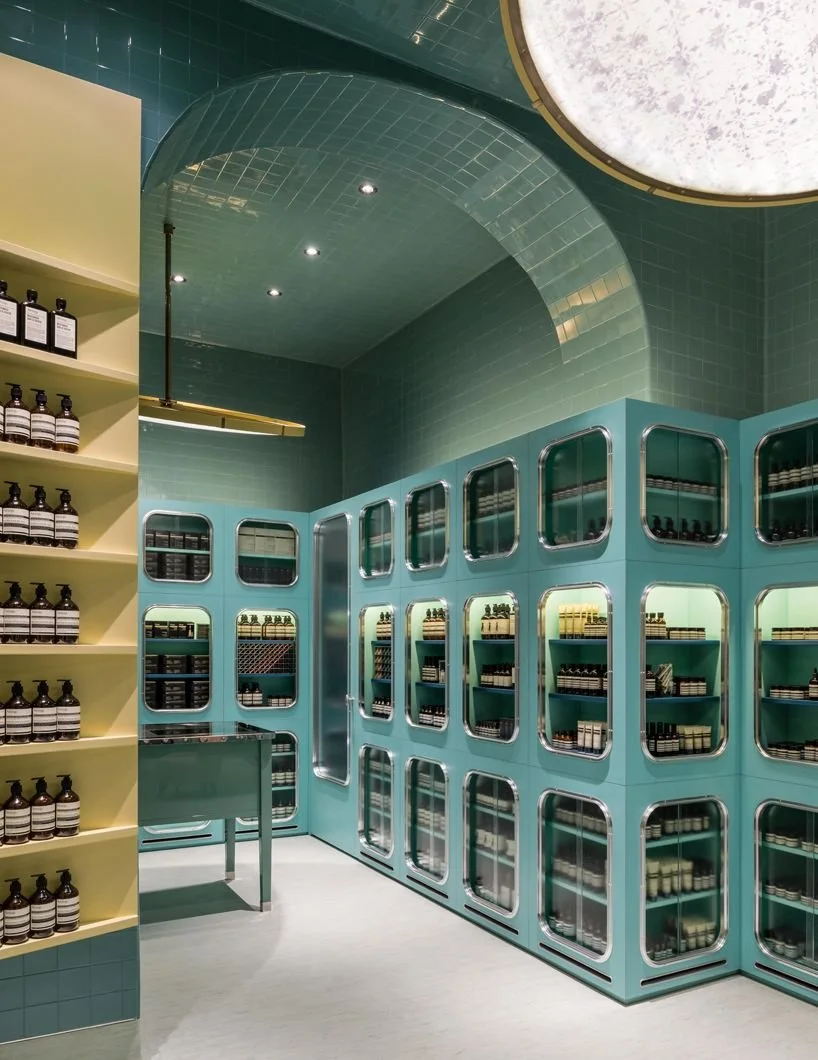
Likewise, the Aesop concept store in Milan by Dimore Studio is an homage to a 1930s Italian villa's pantry, featuring glossy teal subway tiles and lemon-yellow shelving. Its carefully layered domestic interior reframes skincare as part of a considered lifestyle rather than a routine purchase.
Designing for Dwell Time
Today’s consumers, particularly in the luxury space, are increasingly willing to pay for time as much as product. Spaces that encourage lingering naturally increase engagement, dwell time, and, ultimately, spend.
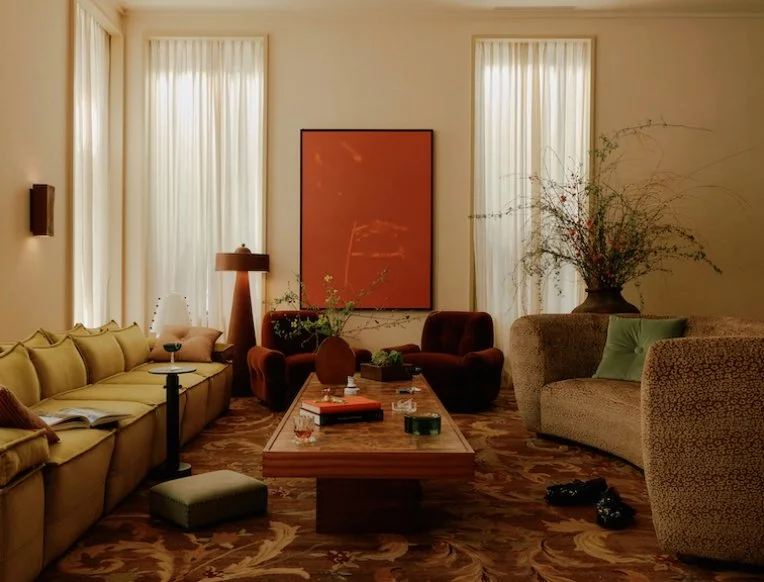
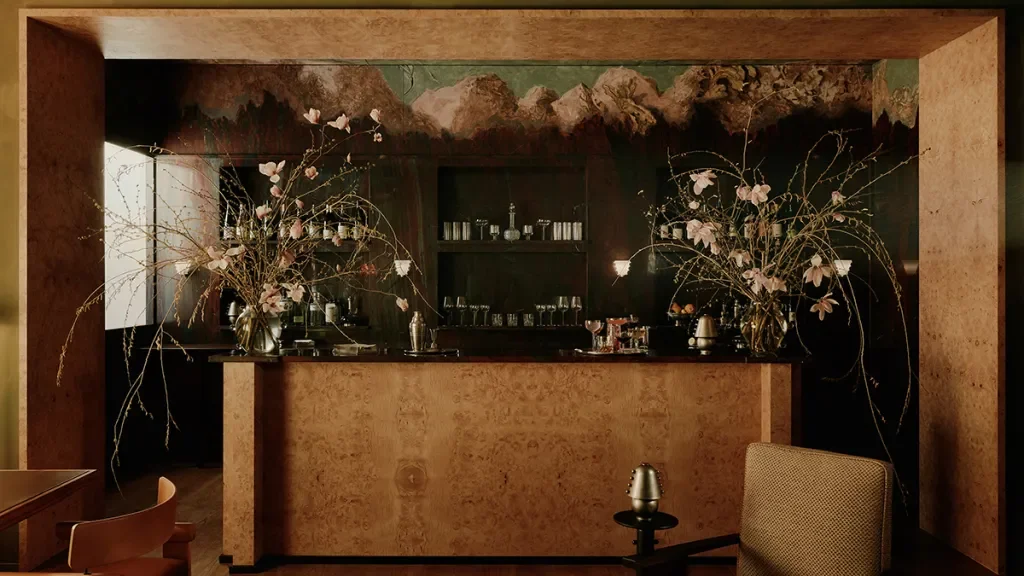
Retail environments are beginning to reflect this shift. Quarters in NYC brilliantly blends retail with café culture, selling curated antiques and decor while simultaneously functioning as one of the coolest cafes and wine bars in Tribeca.
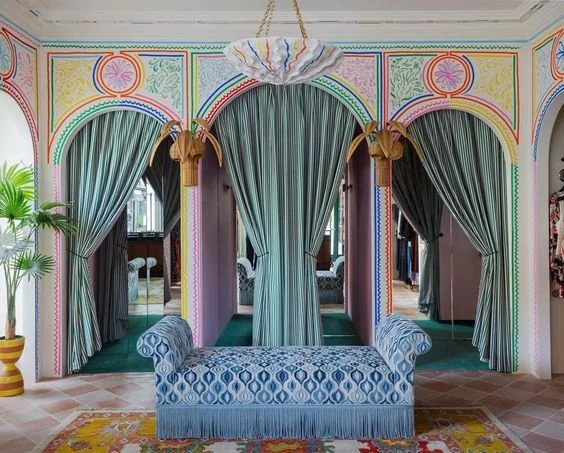
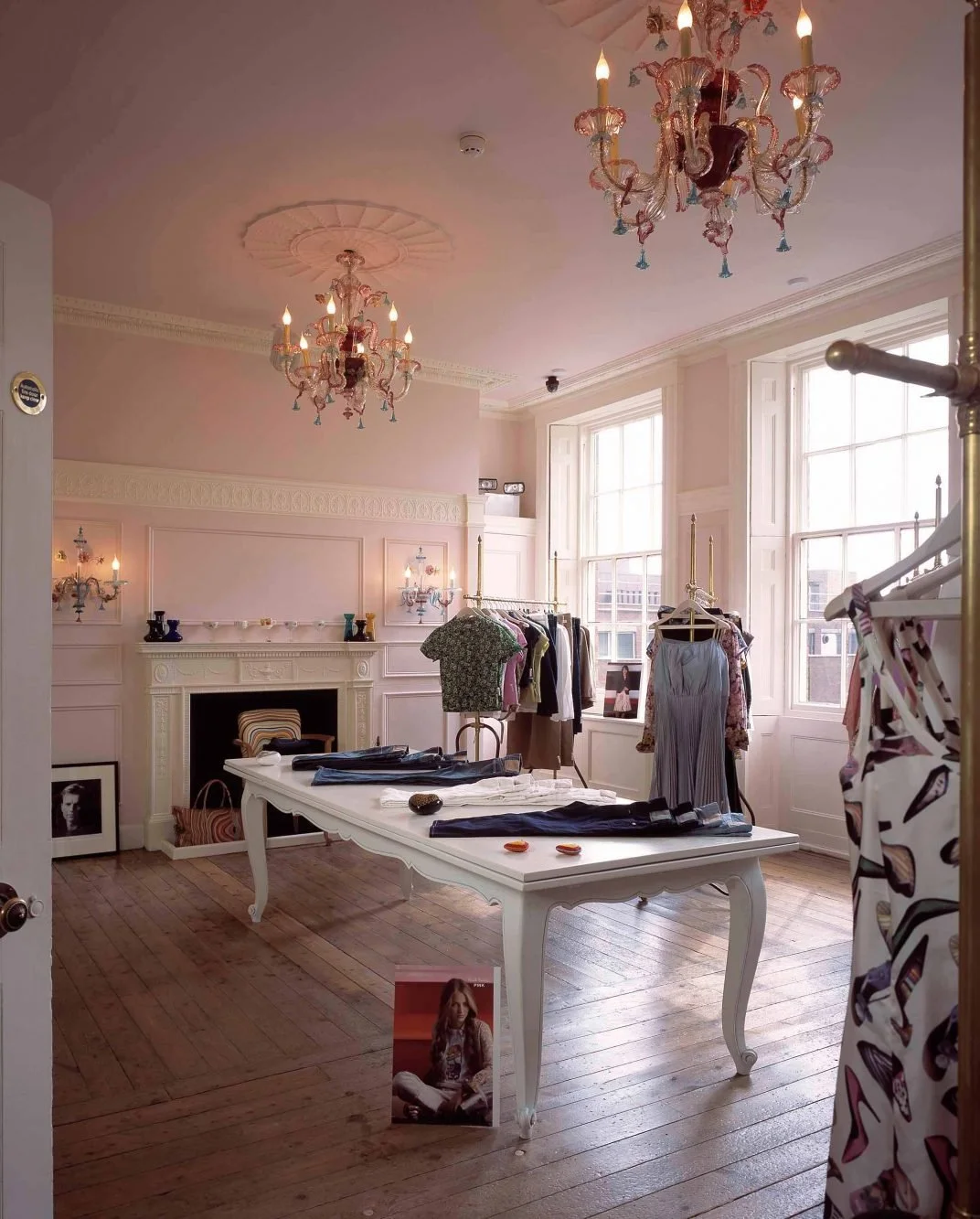
Similarly, the Rixo flagship store in London incorporates a chic coffee shop and bar right onto the retail floor, encouraging friends to linger over drinks while trying on clothes. Even the Paul Smith flagship in Nottingham is designed to feel as though you are exploring the eclectic, art-filled home of a well-traveled friend rather than a commercial store.
The longer someone stays, the more comfortable they become. And the more comfortable they become, the more likely they are to buy - not just a product, but into the world it represents.
The Measurable Impact of Immersive Spaces
The impact of experiential design isn’t just theoretical - it’s measurable.
Immersive retail environments have been shown to significantly increase dwell time, in some cases by up to 40%. Longer visits typically correlate with higher conversion rates and increased basket size, with many experiential stores outperforming traditional layouts in sales per square foot.
There’s also the indirect benefit: shareable spaces reduce reliance on paid acquisition. When a store becomes a destination in its own right, it generates organic visibility across social platforms and editorial channels, effectively lowering customer acquisition costs.
In other words, the architecture starts doing some of the marketing work.
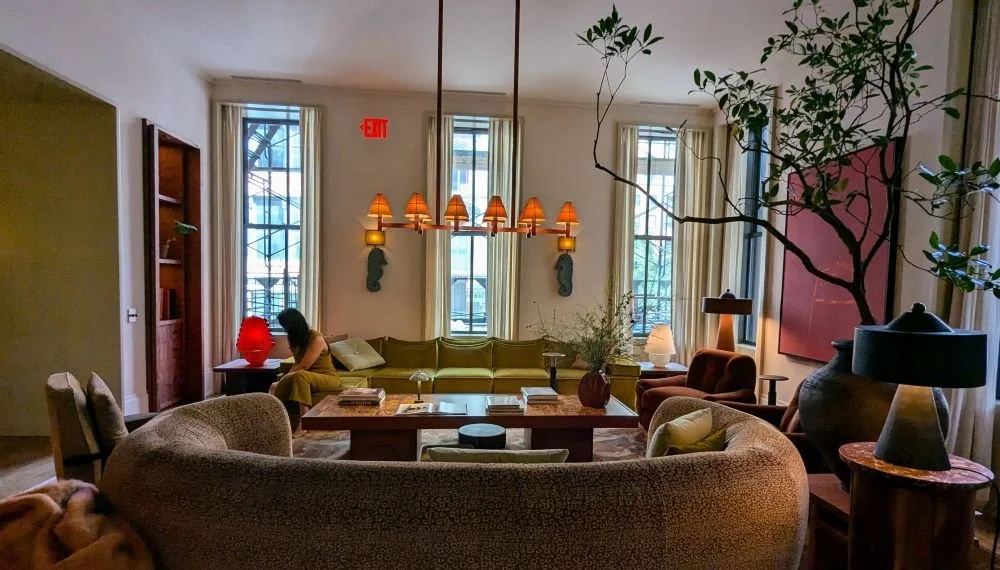
Quarters concept store, New York
Our Approach at Design X Nada
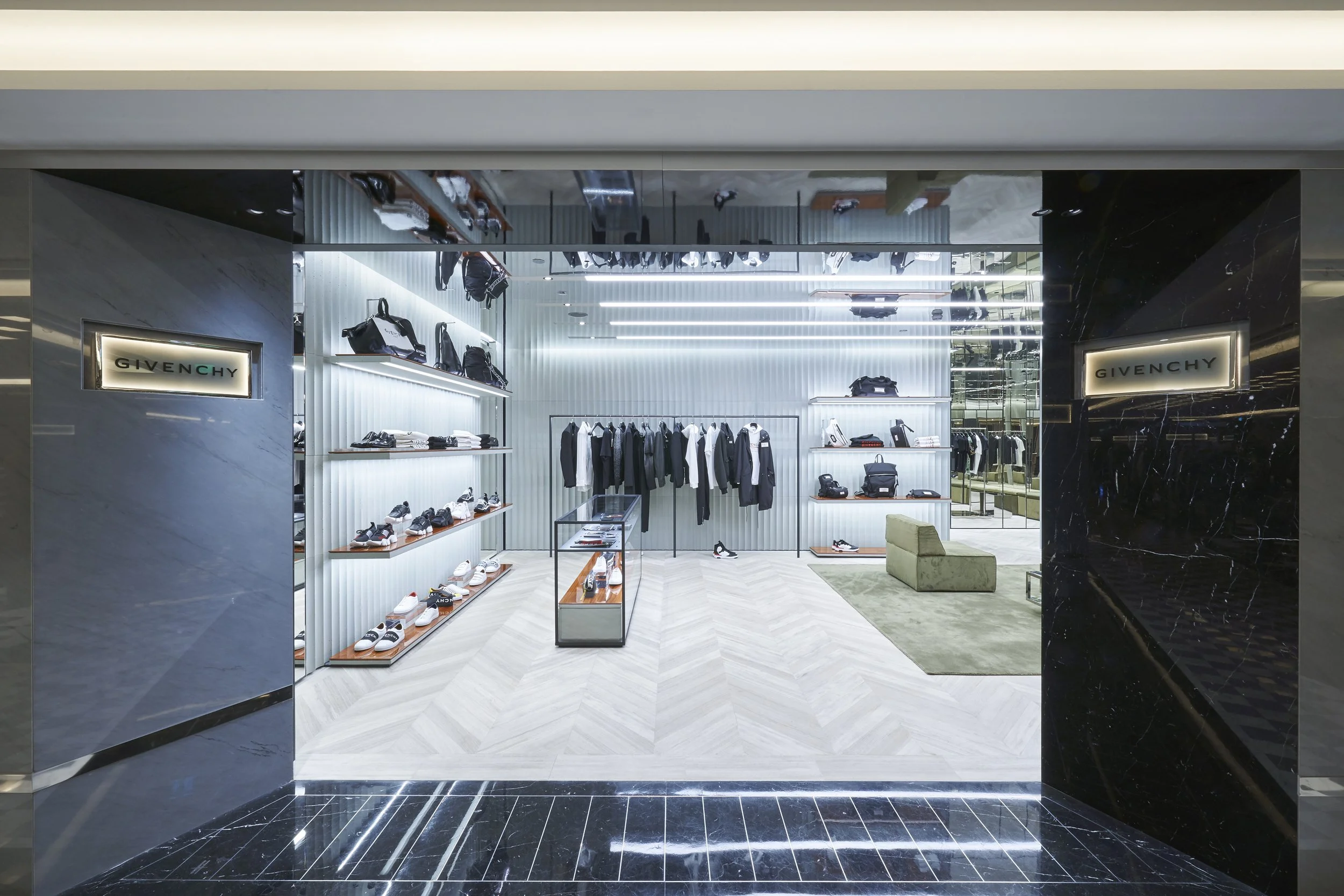
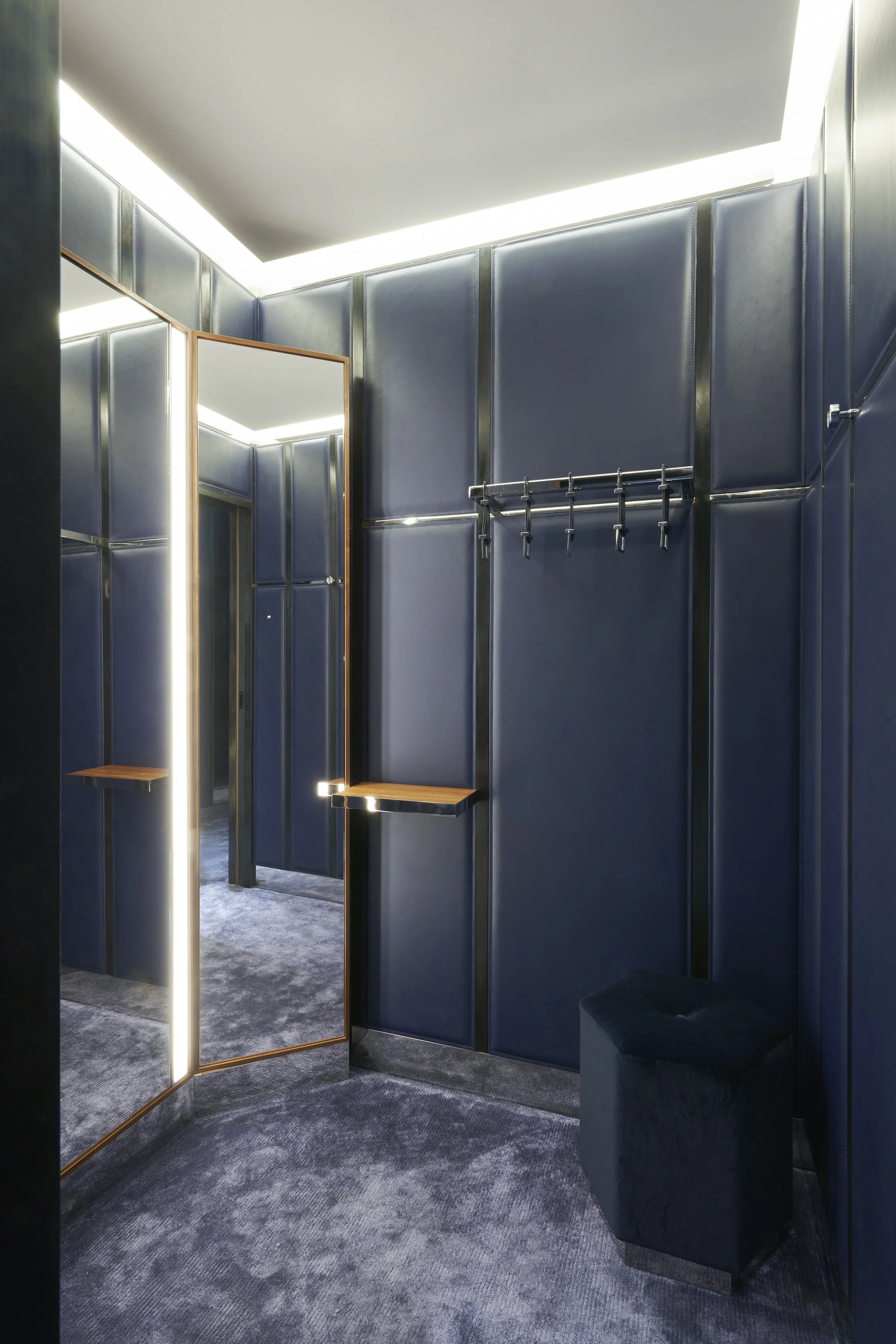
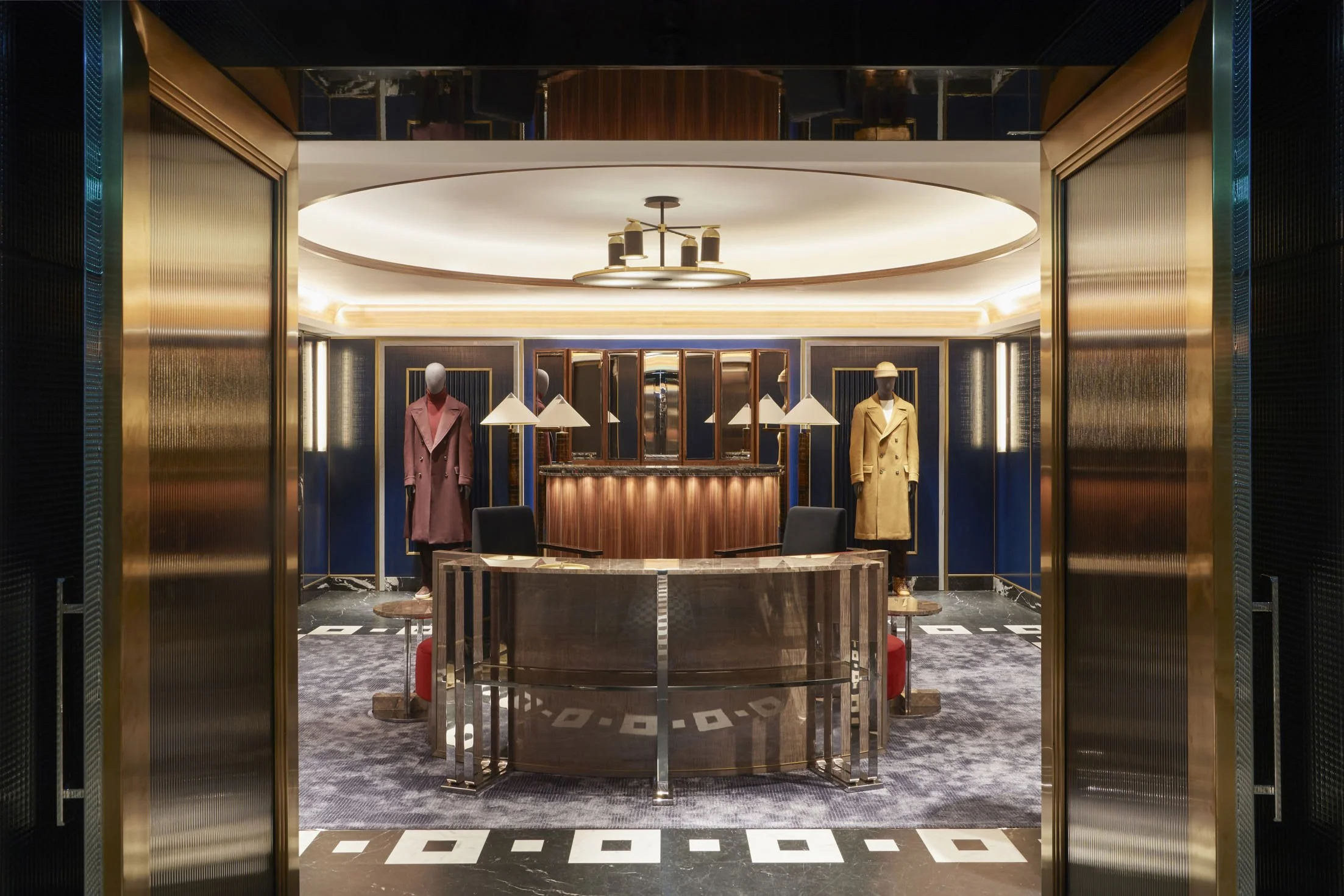
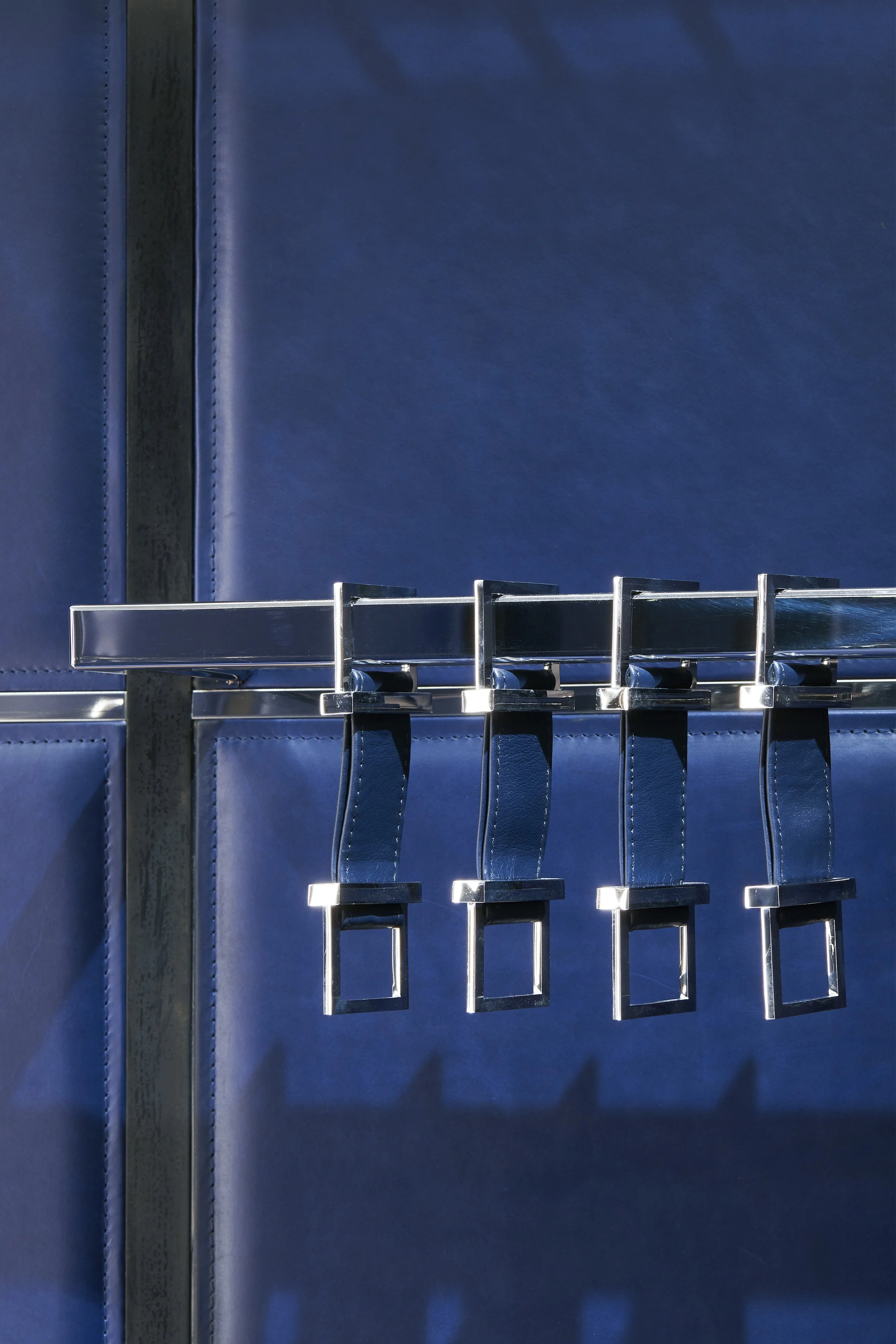
At Design X Nada, we approach retail design not as an exercise in filling floor plans, but as the creation of an emotional landscape. We understand that high-end clients are not just buying a product; they are buying the feeling of being in the space.
At Harrods’ menswear department, we reimagined the space through the lens of historical London architecture, layered with a subtle contemporary twist. The result is a setting that feels both rooted and forward-looking; familiar in its references, yet refreshed in its execution.
Within the Superbrands space, the experience becomes deliberately cinematic, guiding Harrods’ discerning clientele on a curated journey through some of the world’s finest brands. Rather than a conventional retail layout, the environment unfolds as a sequence of moments, each designed to draw the customer deeper into the space and, ultimately, into the brand stories on display.
Why Experience-Led Spaces will Define the Future of Retail
Experiential retail design is no longer a luxury; it is the vital heartbeat of modern brand strategy. In an increasingly digital and automated world, physical spaces that command our attention, evoke our emotions, and invite us to stay will define the brands that thrive.
If you are interested in reinventing your retail space, our team can help to make your design dreams a reality. Browse our portfolio or contact us to discuss your next project.
All images are the property of their respective owners and are used for informational/editorial purposes.